
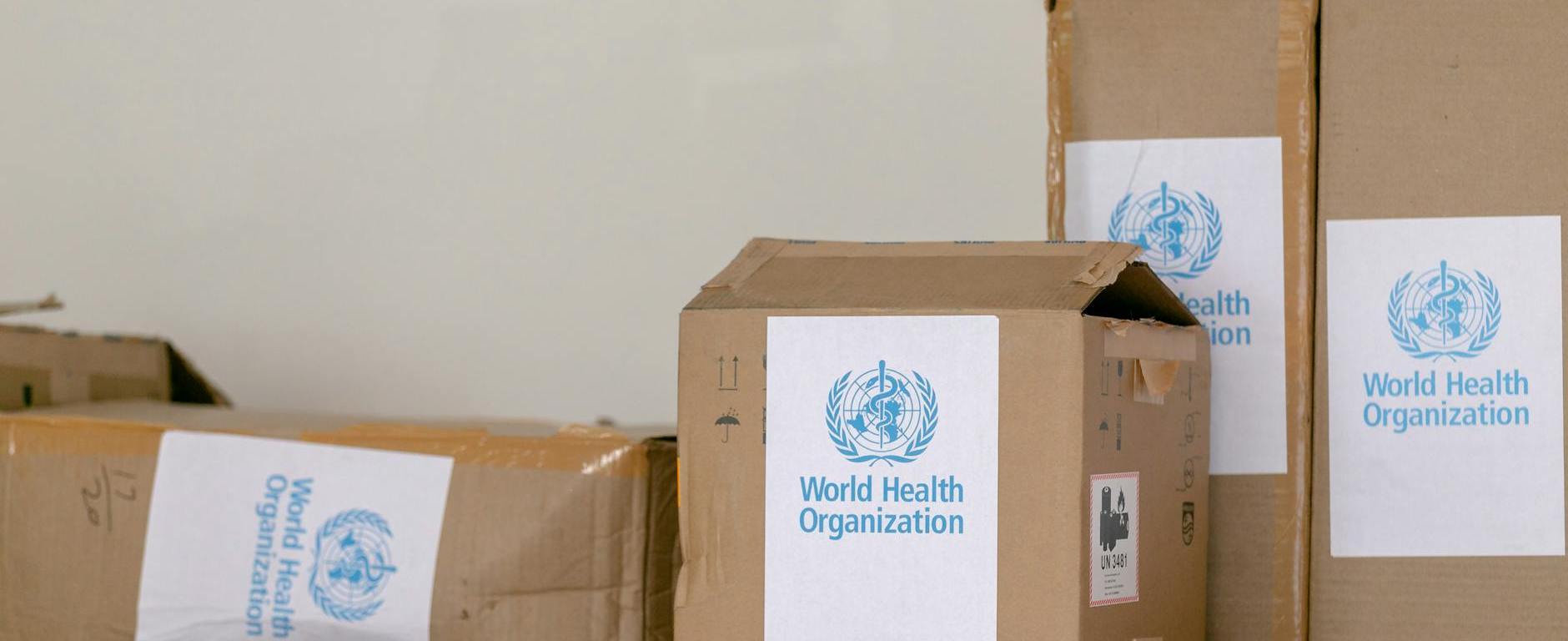
In May 2025, Indonesia formally left the WHO’s South-East Asia Region (SEARO) and joined the Western Pacific Region (WPRO). While the shift was bureaucratically framed, the political and strategic implications are profound. This realignment reshapes Indonesia’s position in global health governance and offers insight into how middle-income countries are rethinking their multilateral engagements.
The decision, finalized during the 78th World Health Assembly (see WHO Doc A78/31), was not without regional friction. India, Bangladesh, Thailand, and others urged Indonesia to reconsider, citing unfinished regional health goals. But Indonesia stood firm. The move reflects a pivot away from traditional developmental alignments toward innovation-centric cooperation with countries like Japan, South Korea, and Australia.
From Regional Solidarity to Strategic Alignment
SEARO has long served as a platform for public health collaboration among lower- and middle-income countries. Its focus on equity, maternal health, and communicable disease control aligns with many of Indonesia’s public health achievements. However, recent leadership controversies, such as the arrest warrant against SEARO’s regional director issued in Bangladesh, have cast doubt on the region’s governance integrity.
In contrast, WPRO presents a model of innovation, data governance, and pandemic preparedness. Indonesia’s proximity to WPRO members like Malaysia, Papua New Guinea, and the Philippines also made the shift geographically coherent. More importantly, it situates Indonesia alongside 28 other member states ranging from advanced economies (Japan, South Korea, Australia) to Pacific Island states (see WPRO country list, GHdx Healthdata, 2024).
Innovation, Digital Health, and Planetary Challenges
Indonesia’s entry into WPRO grants access to robust digital health ecosystems and real-time data surveillance platforms. WPRO’s Health Information and Intelligence Platform—covering indicators from antenatal care to antimicrobial resistance—will bolster Indonesia’s national system, SatuSehat.
The transition also responds to changing domestic needs. Indonesia now faces a double burden: non-communicable diseases (NCDs) are rising, while diseases like TB and dengue remain endemic (IHME Global Burden of Disease, 2024). Mental health, healthy aging, and climate-linked health emergencies further strain the system.
Regarding planetary health, WPRO offers coordinated frameworks for integrating climate change into public health strategy—an area in which Indonesia, vulnerable to rising sea levels, extreme weather, and transboundary haze, stands to gain from stronger partnerships. It also affirms that Indonesia’s future health system resilience depends on cross-border data integration and climate-health diplomacy.
Conversely, within the context of multilateral health frameworks, there is a need to establish a correlation between regional mobility and internal readiness indicators. The aforementioned indicators encompass digital literacy, surveillance capacity, and institutional interoperability. Despite Indonesia’s advancement in these domains, the nation must continue to address the disparities in its health system across regional boundaries.
Comparative Strategic Partnerships
| WPRO Country Partner | Potential Area of Collaboration | Relevance to Indonesia |
|---|---|---|
| Japan | Digital health, robotics in elder care, AI diagnostics | Supports aging population management and SatuSehat integration |
| Australia | Health systems strengthening, Indigenous health models, climate-health policy | Offers models for improving service delivery and resilience |
| Vietnam | Vector-borne disease control (e.g., dengue), primary care reform | Shared disease burden and decentralized systems |
| Philippines | Health education, disaster preparedness, TB control | Lessons in managing epidemics in archipelagic settings |
| South Korea | Smart hospitals, UHC financing, health IT | Pathways to modernize e-governance in healthcare |
| Fiji | Climate-resilient health systems, island health infrastructure | Climate adaptation for Indonesia’s eastern provinces |
| China | Infectious disease surveillance, herbal medicine research | Traditional medicine integration and biosecurity exchange |
Challenges: Legacy and Transition
There are clear risks. Indonesia must ensure continuity for SEARO-initiated programs—especially in TB control, maternal health, and neglected tropical diseases. Moreover, shifting reporting mechanisms and funding streams require bureaucratic coordination and technical realignment.
To avoid programmatic gaps, Indonesia should negotiate a multi-year transition framework with WHO, ensuring alignment between SEARO legacies and WPRO futures. This includes adapting national strategic health plans to match WPRO’s metrics and securing positions in WPRO governance structures (See WHO RC75 and RC77 Committee Reports, 2024).
Conversely, within the context of multilateral health frameworks, there is a need to establish a correlation between regional mobility and internal readiness indicators. The aforementioned indicators encompass digital literacy, surveillance capacity, and institutional interoperability. Despite Indonesia’s advancement in these domains, the nation must continue to address the disparities in its health system across regional boundaries.
Redefining Regionalism in Global Health
This move also raises more significant questions. Should WHO regional divisions remain fixed? Can countries select affiliations based on governance preferences and strategic priorities? Indonesia’s transition challenges the idea of static regional belonging and opens a door for more dynamic, purpose-driven affiliations. It also signals a shift in how middle-income countries see themselves—not as aid recipients, but as partners in co-creating health innovation. Indonesia’s WPRO realignment might set a precedent for more fluid, function-oriented diplomacy in global health. As noted by the Geneva Global Health Hub (2025), this trend toward “regional repositioning” mirrors a broader realignment of Global South states seeking to recalibrate their influence in multilateral forums—a process shaped not only by health imperatives but by geopolitical strategy and national branding.
Indonesia’s transition to the Western Pacific Region Office (WPRO) is more than just a change of mailing address; it represents a reassertion of its role in global health. By positioning itself alongside innovation-driven peers, Indonesia demonstrates its willingness to move beyond traditional development models and embrace a more diverse, resilient, and data-informed approach to public health governance. If managed wisely, this shift could serve as a blueprint for other countries in the Global South that seek greater influence and more appropriate frameworks in an increasingly complex global health landscape. Time will tell if this strategy is effective.

 ScienceWatchdog.id
One thought on “Indonesia Just Left WHO’s Southeast Asia Region: Here’s Why That Matters for Global Health”