
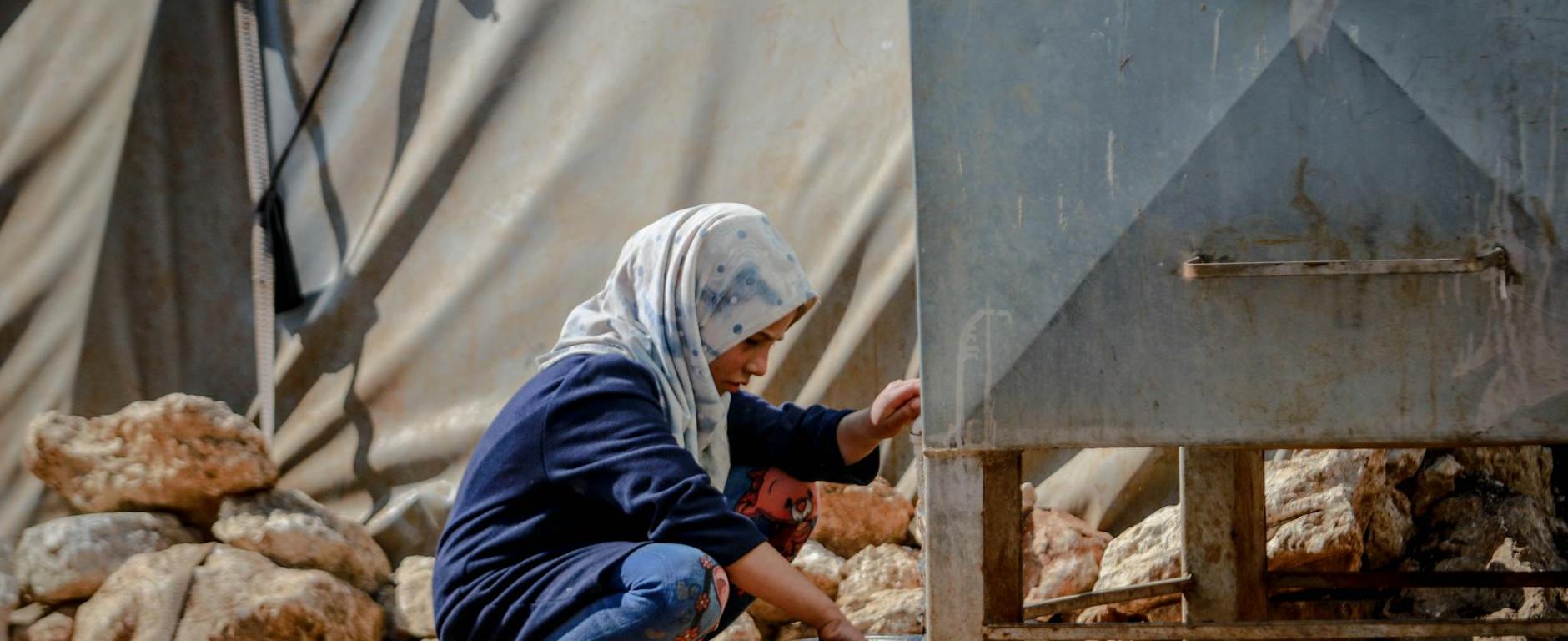
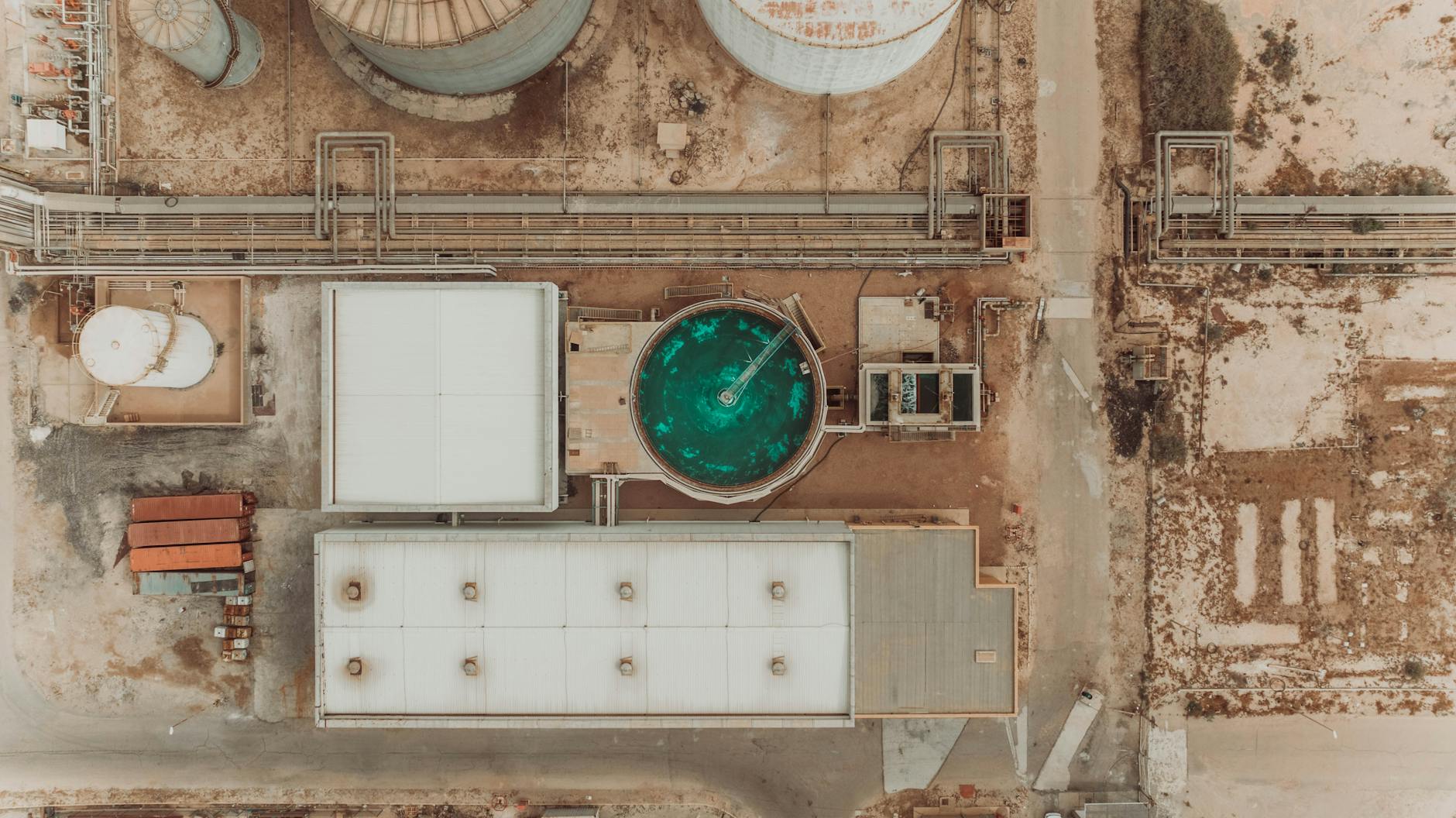
Modern war increasingly extends beyond military positions to the infrastructure that sustains biological survival. In the current regional escalation involving Iran, one of the least visible but potentially most consequential vulnerabilities lies not in missile systems or border deployments, but in desalination plants. These facilities, which convert seawater into potable water, underpin daily life across much of the Arabian Gulf. If they are deliberately targeted, the humanitarian consequences could exceed the immediate damage of conventional strikes.
The strategic significance of desalination in the Middle East derives from ecological constraints rather than technological preferences. The region contains approximately six percent of the world’s population but less than two percent of its renewable freshwater resources. For decades, states along the Gulf have compensated for hydrological scarcity by investing heavily in desalination systems, many of which now provide the majority of urban drinking water. In several Gulf states, desalinated seawater is not supplementary infrastructure. It is the primary basis of domestic water security.
This dependence creates an unusual form of wartime fragility. A conventional strike against a desalination facility does not merely interrupt industrial output. It immediately affects drinking water distribution, sanitation systems, hospital operations, food preparation, and cooling networks essential to urban survival. Unlike electricity grids, which sometimes allow partial rerouting, large scale desalination systems often operate through highly centralized coastal plants whose disruption can rapidly cascade across metropolitan regions.
International humanitarian law has long recognized that civilian objects indispensable to survival require special protection. The logic is clear: destroying access to water does not remain confined to military effect because dehydration, contamination, and sanitation collapse propagate through civilian populations with exceptional speed. In arid environments, that process accelerates further because alternative freshwater reserves are structurally limited.
The health consequences would likely emerge before political negotiations could respond. Reduced access to potable water typically leads first to hygiene deterioration, then to increased transmission of diarrheal disease, skin infections, and waterborne pathogens. Hospitals become doubly vulnerable because they require stable water supply both for direct care and for infection control. In conflict settings, outbreaks rarely remain localized once public health surveillance is weakened.
The regional context intensifies that risk. In Gaza Strip, damaged infrastructure, restricted crossings, and food scarcity already demonstrate how rapidly essential systems collapse when war constrains logistics. The continued restriction of humanitarian access through Kerem Shalom Crossing illustrates how a single logistical chokepoint can shape the survival capacity of an entire population. Water infrastructure elsewhere in the region now sits under similar strategic pressure, even if the mechanisms differ.
The consequences would not stop at immediate morbidity. Water stress at this scale frequently produces displacement before famine becomes visible. Households move when water becomes unpredictable, not only when food disappears. This pattern has appeared repeatedly in environmentally stressed conflict zones, where ecological disruption amplifies pre existing political fragility. In a region already marked by economic strain, including in Lebanon, secondary migration pressures would further burden weakened public systems.
What makes desalination particularly important in this conflict is that its destruction would represent a technologically mediated reversal of decades of adaptation. Gulf societies built desalination not as luxury infrastructure, but as a civilizational response to climatic constraint. To attack that system is therefore to target the mechanism through which environmental limits have been made socially manageable.
At the same moment, global health institutions are attempting to preserve fragile gains elsewhere. On World Tuberculosis Day, renewed attention to portable diagnostic systems for Tuberculosis reflected an international recognition that health resilience increasingly depends on mobility, redundancy, and decentralization. World Health Organization support for portable testing responds precisely to the reality that fixed systems are vulnerable under conditions of political disruption.
Water policy now faces the same lesson. Critical infrastructure designed for peacetime efficiency becomes dangerously exposed in wartime concentration. The future security of arid regions may depend less on producing more water than on building water systems that can survive political violence.
The military value of striking desalination infrastructure may appear immediate. The humanitarian cost would not be. It would unfold slowly through disease, displacement, and institutional exhaustion, long after the visible phase of conflict has passed. In dry regions, water is not merely another civilian utility. It is the boundary between temporary crisis and irreversible social breakdown.

 ScienceWatchdog.id