
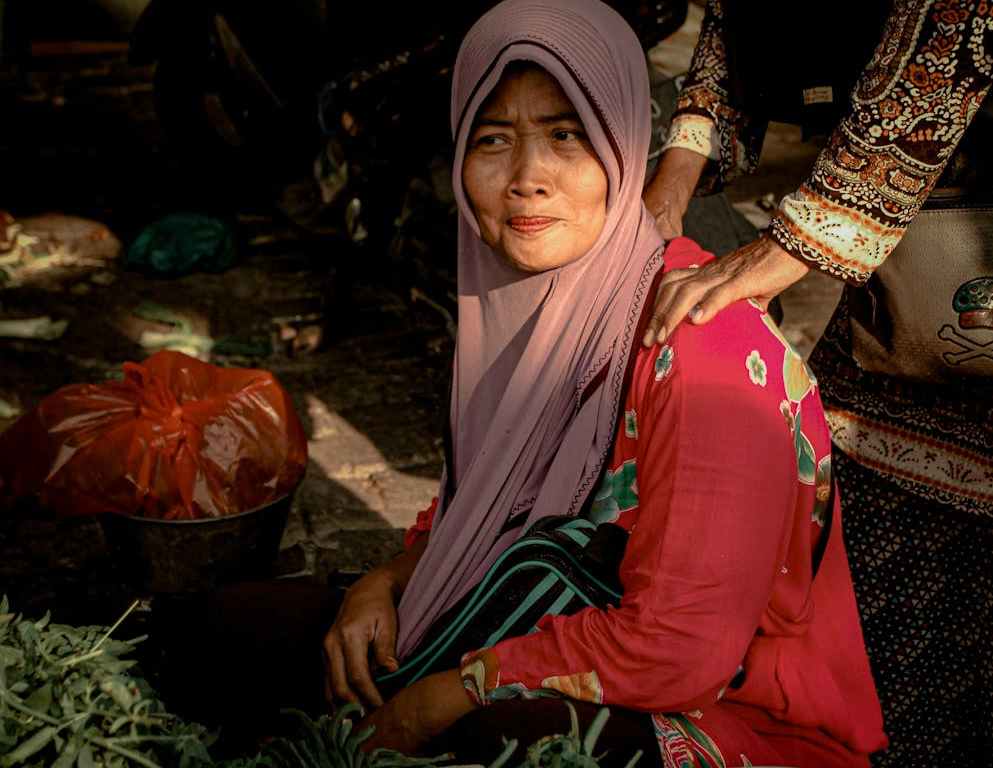
The health of Indonesia’s women is the backbone of the nation’s health. When women are healthy and empowered, children are healthier, families more prosperous, and societies stronger.
International Women’s Day 2025 shines a spotlight on the health of Indonesian women, highlighting both remarkable progress and enduring challenges. Over the past decades, Indonesia has significantly reduced child mortality and expanded healthcare access, yet maternal deaths remain alarmingly high and women continue to face gaps in reproductive rights, gender-based violence, and mental health support.
This article examines the state of women’s health in Indonesia – from maternal and child health to reproductive rights, access to care, gender-based challenges, and mental well-being – drawing on evidence from open-access research and expert insights. It also explores policy efforts and advocacy needed to ensure every Indonesian woman can live a healthy, empowered life.
Maternal Health and Child Mortality
Indonesia has made strides in improving maternal and child health, but the gains are uneven and insufficient. The maternal mortality ratio (MMR) stands around 177 deaths per 100,000 live births as of 2020, one of the highest in Southeast Asia. This is far above the national target of reducing MMR to 70 per 100,000 by 2030 under the Sustainable Development Goals. In raw numbers, that means hundreds of Indonesian mothers still die each year from pregnancy or childbirth-related causes. Hemorrhage, infection, and preeclampsia remain leading causes, though their proportions have shifted with improved obstetric care, for example, maternal deaths due to hemorrhage fell from nearly half to 18% over recent decades as more women access skilled birth care. Every maternal death is not just a statistic but a family tragedy that can imperil newborns and older children who lose their primary caregiver.
Encouragingly, child survival has improved dramatically. The under-five mortality rate plummeted from about 84 deaths per 1,000 live births in 1990 to around 21 per 1,000 in 2022. In 1990, an estimated 390,000 Indonesian children died before their fifth birthday each year; by 2022 that number fell to roughly 95,000. Infant mortality likewise dropped to an estimated 19 per 1,000 live births. These gains reflect successful immunization campaigns, better nutrition, and investments in maternal health. When mothers survive and thrive, so do their children. Yet despite this progress, Indonesia’s child mortality rates are still higher than some neighboring countries, and neonatal deaths (deaths in the first month of life) remain a stubborn challenge, often linked to maternal health complications.
Geographic disparities are a major concern in maternal and child health. The national averages mask a divide between more developed regions like Java-Bali and remote provinces in Eastern Indonesia. In some eastern districts, maternal mortality is more than twice the national MMR, due to limited health facilities and specialist care. On Java island, a village might be just 0.5 km from a health center, but in parts of Sulawesi that distance averages 29 km to the nearest hospital.
Such distances can be fatal in obstetric emergencies. Fewer than half of women in rural Indonesia give birth in health facilities, reflecting both access issues and cultural norms. In villages like Tambiluk in West Java, for example, midwives are often the only accessible health professionals.
“Women often go without skilled care during pregnancy and delivery,” says Fani, a 35-year-old midwife who serves that community in Project HOPE research.
She delivers about five babies a month and works to educate expectant mothers on healthy pregnancy and the importance of giving birth at health centers. Her efforts, supported by training from a local NGO, have improved the odds for mothers and newborns in her village. These grassroots successes show what’s possible – but scaling them nationwide requires addressing systemic gaps in the healthcare system.
Reproductive Rights and Family Planning
Access to reproductive health services and family planning has expanded in Indonesia, yet significant challenges remain in ensuring women can exercise their reproductive rights fully. The country has a long-running national family planning program, and today roughly 59% of married women use modern contraceptives. Including unmarried women, the overall modern contraceptive prevalence is lower (about 42% of all women of reproductive age), reflecting cultural norms that discourage contraception outside of marriage.
Use of birth control – from IUDs and implants to injectables and pills – helped reduce Indonesia’s fertility rate and has been crucial in spacing births for healthier outcomes. However, unmet need for contraception remains around 12–18% depending on the survey. This means millions of women who want to avoid or delay pregnancy are not using modern methods, often due to lack of access, cost, partner opposition, or fear of side effects. Inconsistent availability of services in remote areas and disparities in education contribute to this unmet need.
One consequence of gaps in family planning is Indonesia’s persistent teenage pregnancy rate. The adolescent birth rate is 26.6 per 1,000 girls aged 15–19 in other words, thousands of Indonesian teens become mothers each year. Early pregnancy poses health risks: teens are more likely to suffer eclampsia, obstructed labor, and other complications, and their babies face higher odds of low birth weight and neonatal death.
Early childbearing is closely linked to child marriage. Despite recent progress – in 2019 the government raised the legal minimum marriage age for girls to 19, equal to boys–child marriage is still practiced in some communities. Today roughly 1 in 9 young women (about 10–11%) in Indonesia were married before 18. Poverty and tradition drive this practice, and while the law change is a positive step, enforcement and changing social norms remain key to ending it. Keeping girls in school and expanding youth-friendly reproductive health education are vital strategies so that girls can delay marriage and motherhood until they are ready.
Another sensitive facet of reproductive rights is access to safe abortion. Indonesian law permits abortion only in very limited cases (such as rape or life-threatening danger to the mother) and with strict gestational limits. As a result, many abortions occur clandestinely. Estimates suggest that 79% of abortions in Indonesia are unsafe, and unsafe abortions contribute to up to 30% of maternal deaths in the country.
Abortion is common in Indonesia, with 25 abortions per 1,000 women of reproductive age each year, a recent policy brief noted, yet access to safe abortion is still limited.
During the COVID-19 pandemic, unintended pregnancies rose and so did unsafe abortions. The toll is evident in hospitals; for instance, a West Java hospital reported that out of 5,000 pregnant patients in 2021, 67 died – some from COVID-19, others from complications including those related to unsafe abortion.
Reducing these preventable deaths will require candid dialogue and policy reform. Experts urge strengthening post-abortion care and reconsidering legal restrictions, alongside improving contraception access to prevent unwanted pregnancies in the first place. Reproductive rights advocates in Indonesia, including women’s health organizations and institutions like the National Population and Family Planning Board (BKKBN), continue to campaign for a rights-based approach to family planning – one that emphasizes informed choice, consent, and access for all, including youth and unmarried women.
Access to Healthcare Services and Disparities
Indonesia’s commitment to universal health coverage has brought improvements, but not all women benefit equally. The rollout of Jaminan Kesehatan Nasional (JKN), a national health insurance program, now covers about 90% of the population. This scheme, launched in 2014, subsidizes care for the poor and aims to remove financial barriers to services including prenatal checkups and childbirth. In theory, a pregnant woman can get free antenatal care, skilled birth attendance, and emergency obstetric care under JKN.
In practice, however, coverage does not automatically equal access. Health facilities and providers are unevenly distributed across Indonesia’s vast archipelago. Per 100,000 people, Indonesia has on average only 50–60 doctors and 2 obstetrician-gynecologists, and they are concentrated in cities. Many villages rely on midwives (bidan) and community health posts (posyandu) staffed by volunteers for basic services. When complications arise, women in rural Papua or Sulawesi may need to travel hours – by boat or rough roads – to reach a hospital. Transportation costs, geography, and sometimes cultural preferences lead to delays in care.
The disparity is stark between urban and rural settings. While almost 90% of births nationwide are now attended by skilled health personnel, in some remote districts that proportion is much lower, contributing to higher maternal and newborn mortality.
“The long distance it takes them to get to the hospital and limited facilities… it saddens me to see [a pregnant woman’s journey] to the moment she dies, especially when there are things we can do to prevent it,” says Noorkarmila, a midwife in Garut, West Java on UNFPA Indonesia- Strengthening Data to Reduce Maternal Deaths in Indonesia
Her hospital has adopted a maternal and perinatal death surveillance system to flag and respond to emergencies faster, which she believes is helping save lives. Indeed, strengthening referral networks – so that a woman who starts bleeding in a village clinic can be transported quickly to a higher-level hospital – is a major focus of Indonesia’s Health Ministry in its 2025–2029 strategic plan.
The government is also working to increase the number and training of healthcare workers in under-served areas. Programs to deploy resident midwives to every village (a policy initiated in the 1980s) are being reinvigorated, and incentives are offered for doctors to serve in rural clinics.
Quality of care is another aspect of access. Surveys have found inconsistencies in care standards between regions. For example, not all primary health centers have the recommended mix of contraceptives or maternal health drugs in stock. Some women report being treated disrespectfully during childbirth – an issue the Ministry of Health is trying to address through better training and a “no blame, no shame” culture in maternity audits.
Language and cultural barriers can also limit access for ethnic minority women unless health messages are tailored in local languages. The positive news is that Indonesia recognizes these challenges: its Health Transformation Agenda explicitly aims to improve health service delivery for women and children as a cornerstone of achieving universal health coverage. Closing the urban-rural gap and ensuring every woman has timely access to quality care – whether for a safe birth, family planning, or cancer screening – will require sustained investment, decentralization of health resources, and community engagement in the years ahead.
Gender-Based Health Challenges
Indonesian women face health risks not just from biological factors, but from deep-rooted gender inequalities and harmful practices. Gender-based violence (GBV) is a pervasive threat to women’s health and rights. Nationwide surveys indicate that roughly 1 in 3 Indonesian women aged 15–64 have experienced physical or sexual violence in their lifetime.
Such abuse has immediate health consequences – injuries, unwanted pregnancies, sexually transmitted infections – and long-term effects including trauma and chronic illness. Yet violence against women remains underreported due to stigma and weak enforcement of laws.
Indonesia has taken steps to address GBV, including a Domestic Violence Law (enacted in 2004) and the more recent Sexual Violence Crime Law (2022) which broadened the definitions and penalties for sexual abuse. Additionally, there are growing networks of crisis centers and women’s support services, often run by NGOs or local governments, providing counseling and legal aid to survivors.
On this front, advocacy is making a difference: public campaigns by groups like Komnas Perempuan (the National Commission on Violence Against Women) have raised awareness that domestic violence is a public issue, not a private shame, encouraging more women to seek help. Still, much work remains to change societal attitudes that normalize violence and to ensure survivors can access justice and healthcare (including post-rape care and psychosocial support).
Another challenge is the persistence of harmful traditional practices that affect women’s health. One example is female genital mutilation/cutting (FGM/C). Indonesia has one of the highest numbers of girls affected by FGM/C in the world – an estimated half of Indonesian girls have undergone some form of this practice.
Usually performed on infants or young girls, it ranges from symbolic pricking to more severe cutting. While some communities view it as a religious or cultural rite of passage, FGM/C has no medical benefit and can cause infections, pain, and sexual and reproductive health problems later in life. The Indonesian government officially banned health professionals from performing FGM in 2006, but issued ambiguous guidelines later, and the practice continues informally. Encouragingly, in recent years Islamic scholars, community leaders, and activists have begun campaigning against FGM/C, emphasizing that it is not a religious mandate and harms girls.
As a result, there is a slowly growing movement to abandon the practice, with local success stories where entire villages declare themselves “FGM-free.” Support from organizations like UNFPA and UNICEF, working with Indonesia’s Ministry of Women’s Empowerment and Child Protection, is bolstering these community efforts by educating parents and training midwives to advocate against FGM/C.
Child marriage, discussed earlier, is another gender-based issue with health repercussions. When girls marry and drop out of school, they often enter a cycle of early childbearing and economic dependence that reinforces poor health outcomes. They are less likely to access antenatal care or know their rights in seeking healthcare. The government’s decision to raise the marriage age to 19 was driven in part by evidence linking early marriage to high maternal and infant mortality.
Indeed, eradicating child marriage and GBV intersects with broader development issues – from education to poverty alleviation – and requires a holistic approach. On this International Women’s Day, activists in Indonesia are calling for strengthened enforcement of child protection laws, more shelters for abuse survivors, and curricula in schools that teach boys and girls about equality and respectful relationships. Ensuring women’s safety and bodily autonomy is foundational: without it, progress in other health domains can easily be undone by violence or coercion.
Mental Health and Well-Being of Women
Mental health has historically been a neglected facet of women’s health in Indonesia, but that is beginning to change. Indonesian women experience mental health conditions such as depression and anxiety at significant rates, yet cultural stigma and lack of services mean most suffer in silence. According to the National Basic Health Survey, about 6% of Indonesians have experienced depression – roughly mirroring global averages – but only 9% of those affected ever receive treatment (Exploring Mental Health Issues and Priorities in Indonesia Through Qualitative Expert Consensus).
Women are disproportionately affected by certain mental health stressors. They often carry the dual burdens of work and family caregiving, may face domestic violence, and have unique experiences like postpartum depression. A comprehensive study found that common mental disorders (CMDs) – including depression and anxiety – occur in roughly 12.6% of pregnant women and 10.1% of postpartum women in Indonesia.
This means at least 1 in 8 expectant mothers and 1 in 10 new mothers are battling significant psychological distress during or after pregnancy, which can impact both their health and their babies’ well-being. Risk factors such as young maternal age, unintended pregnancy, pregnancy complications, and lack of family support were associated with higher mental health struggles in these women.
Despite these needs, Indonesia’s mental health services are woefully limited – only about 2% of the health budget is allocated to mental health. There is roughly 1 psychiatrist per 300,000 people, and in many districts none at all. Access is particularly scarce in rural areas; many people rely on traditional healers or faith-based advice when facing mental distress.
Stigma is another major barrier. “Compared to men, women usually suffer more stigma from mental health issues because they tend to internalize society’s perceptions,” researchers note ( Mental Health and Aggression in Indonesian Women – PMC ). It is not uncommon for women with depression to be told to “pray more” or for families to hide a mentally ill relative due to shame. The government, recognizing a looming mental health crisis (exacerbated by COVID-19 and economic hardships), launched an initiative to integrate mental health screening in primary care and train general doctors and midwives in basic counseling.
There are also growing civil society efforts: groups like Into the Light Indonesia and Sehat Jiwa ID are youth-driven communities raising awareness about depression and suicide prevention, including among young women. Meanwhile, experts call for more gender-sensitive approaches – for instance, screening women during antenatal and postpartum visits for depression, and offering peer support groups for mothers.
The inclusion of mental health in Indonesia’s latest National Mid-Term Development Plan is an opportunity to invest in community mental health centers and destigmatize seeking help. Empowering women’s mental well-being is not only a health issue but also a social one: when women can thrive mentally and emotionally, they are better able to participate in education, work, and community life.
Policy and Advocacy: Improving Women’s Health
Tackling the multifaceted challenges to women’s health in Indonesia requires strong policy action and grassroots advocacy working hand in hand. On the policy front, there have been notable commitments. The government’s Mid-Term National Development Plan (RPJMN) 2025–2029 places a high priority on reproductive, maternal, newborn, child, and adolescent health, with clear targets to lower maternal mortality, end stunting, and expand health services ( New year, new opportunities: How Indonesia aims to rapidly improve reproductive, maternal, newborn, child and adolescent health ) ( New year, new opportunities: How Indonesia aims to rapidly improve reproductive, maternal, newborn, child and adolescent health ).
The Ministry of Health has rolled out a Health Transformation Agenda that includes improving the quality of maternal health care, strengthening family planning programs, and upgrading health facilities in under-served regions ( New year, new opportunities: How Indonesia aims to rapidly improve reproductive, maternal, newborn, child and adolescent health ). One practical step has been the implementation of Maternal and Perinatal Death Surveillance and Response (MPDSR) nationwide.
This system mandates that every maternal death be reviewed by a local committee to identify what went wrong and how to prevent similar tragedies. “We have changed the policy to ‘no naming, no shaming, no blaming’… [now] we can ensure follow-up actions to respond to the cases,” explains Dr. Mularsih Restianingrum of the Ministry of Health, who leads the national working group on maternal mortality audits.
By learning from each death without punishing healthcare workers, MPDSR encourages more accurate reporting and system-wide improvements. Indeed, officials credit better data and response for helping to reduce the estimated MMR from 305 per 100,000 in 2015 to 189 in 2020– a significant decline, though still far above the goal. Continued support for such evidence-based interventions is crucial.
International partnerships and advocacy organizations amplify these efforts. UN agencies like WHO and UNFPA are actively supporting Indonesia’s health initiatives – from providing technical training for health planners in provinces, to supplying contraceptives and improving midwifery education. For example, a collaborative program with Australia has been training health officials in 120 districts on how to design and manage effective maternal health programs. This kind of capacity-building ensures that ambitious national policies translate into action on the ground. NGOs and civil society groups also play a key role. Women’s rights organizations in Indonesia are using research and storytelling to keep these issues in the public eye.
On this International Women’s Day, advocacy coalitions have called for increased budget allocation for women’s health services, noting that preventive care (like cervical cancer screenings or mental health counseling) remains underfunded. They urge passage of pending regulations to implement the Sexual Violence Law robustly, and for the education ministry to integrate comprehensive sexuality education in schools – equipping youth with knowledge about consent, contraception, and where to get help.
Policymakers would do well to heed these calls and the evidence behind them. Policy recommendations from experts include: expanding the number of community health workers (especially female cadres) to reach women in every village; ensuring every district hospital can perform emergency obstetric surgery and blood transfusions; improving transportation networks or establishing maternal “waiting homes” near hospitals for high-risk pregnant women; and strengthening the supply chain for essential medicines and contraceptives so stock-outs no longer hinder care.
There is also a strong push to leverage Indonesia’s digital revolution for women’s health – for instance, using mobile apps to disseminate maternal health advice and to enable telemedicine consultations for women in remote areas. The private sector, too, has a part to play by developing affordable health technologies and insurance products tailored for women (such as micro-insurance for maternity care or menstrual health products).
Perhaps most importantly, women’s voices must be at the center of health policymaking. This means involving women – including those from marginalized groups – in designing solutions. As midwife Noor from Garut reflected after joining policy discussions, “We might only play minor roles, but without us there won’t be data that can be the basis of policies”
Her point resonates: the lived experiences of women, whether a mother in a distant village or a survivor of domestic abuse in the city, hold the key to crafting responsive health services. Strengthening women’s health in Indonesia is not just a medical endeavor but a societal one. It intersects with education, economics, law, and culture. Progress will require coordination across ministries – Health, Education, Women’s Empowerment, Finance – and collaboration with religious and community leaders to champion change at all levels.
Next Direction..
As Indonesia celebrates International Women’s Day 2025, there is much to applaud – fewer children dying young, more mothers surviving childbirth than a generation ago, and greater recognition of women’s health needs in national agendas. Bold policy moves, like expanding health insurance and raising the marriage age, show that change is possible.
At the same time, the day-to-day reality for many Indonesian women is that avoidable health risks persist, be it in the form of a hemorrhage that proves fatal because a clinic was too far, or the trauma of violence behind closed doors. The stories and statistics highlighted here paint a picture of both challenge and hope. On one hand, high maternal mortality, patchy reproductive rights, and gaps in care underscore that Indonesia must accelerate its efforts to meet the health-related Sustainable Development Goals. On the other hand, the dedication of midwives like Fani, the courage of survivors speaking out, and the commitment of young people to mental health advocacy are powerful drivers of change.
What is needed now is to build on this momentum. Policymakers should ensure that women’s health remains a top priority, backed by adequate funding and political will.
This could mean increasing investments in primary healthcare clinics, launching outreach programs in provinces with the worst indicators, and rigorously enforcing laws that protect women’s rights.
Communities and families also have a role – by valuing daughters as much as sons, supporting women’s decisions about their own bodies, and challenging harmful customs. And for the international community and donors, continuing to partner with Indonesia in areas like maternal health, family planning, and gender equality will be crucial to sustain progress.
The health of Indonesia’s women is the backbone of the nation’s health. When women are healthy and empowered, children are healthier, families more prosperous, and societies stronger.
This International Women’s Day, Indonesia stands at a crossroads with both achievements to celebrate and urgent issues to address. By combining evidence-based policies with grassroots advocacy – and by listening to the women whose lives are at stake – Indonesia can move closer to a future where no woman dies giving life, every girl grows up safe and strong, and women’s health rights are truly realized for all. The road ahead may be long, but the commitment to “leave no one behind” in healthcare provides a clear direction. With perseverance, collaboration, and the voices of women leading the way, the coming years can deliver transformative gains for women’s health in Indonesia.

 ScienceWatchdog.id