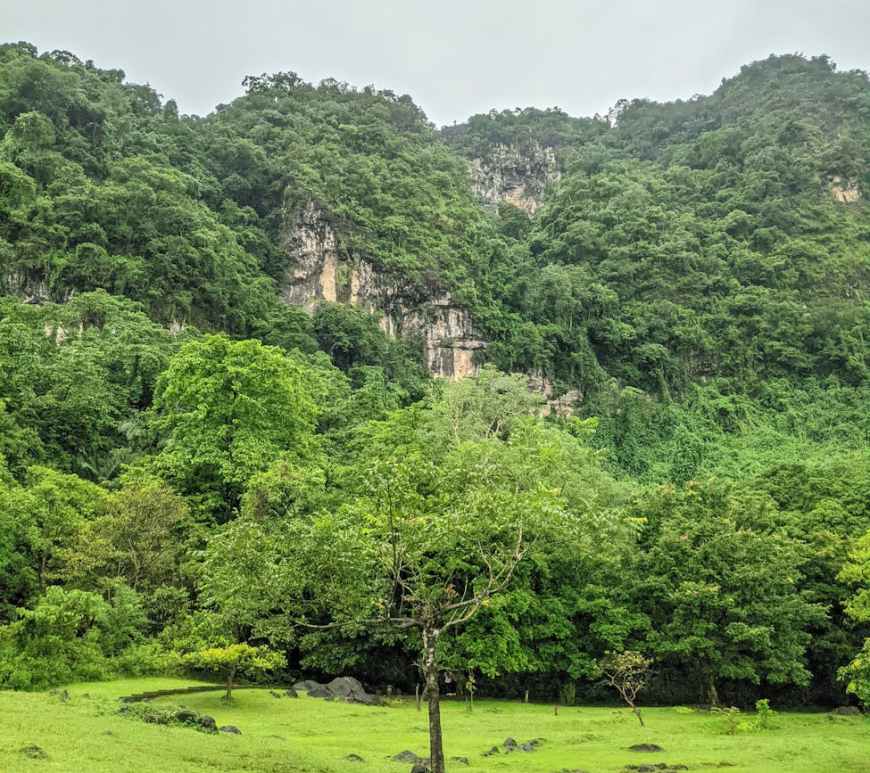
Reexamining the Early Footprints of Humans in Sulawesi: What Does It Mean for Archaeology and the Prehistoric Narrative of Southeast Asia?

The latest archaeological discoveries at the Calio site in South Sulawesi, as reported by a field team led by senior archaeologist Budianto Hakim from the National Research and Innovation Agency of Indonesia (BRIN), suggest that hominins may have been present on the island of Sulawesi as early as 1.04 million years ago, and possibly as far back as 1.48 million years ago. This is a … Continue reading Reexamining the Early Footprints of Humans in Sulawesi: What Does It Mean for Archaeology and the Prehistoric Narrative of Southeast Asia?

Praktik Tercela: Memanipulasi Sitasi Google Scholar

Google Scholar (GS) telah lama menjadi indikator cepat untuk menilai reputasi ilmiah. Gratis, mudah diakses, dan mencakup berbagai dokumen, platform ini jauh lebih populer daripada basis data komersial seperti Scopus atau Web of Science yang lebih komersial dalam pemanfaatannya. Sekalipun didirikan oleh perusahaan raksasa teknologi Google, pada kondisi ini GS dapat dimanfaatkan sebagai alat yang mudah, murah dan punya akses pemanfaatan data secara terbuka. GS … Continue reading Praktik Tercela: Memanipulasi Sitasi Google Scholar

Royal Society Akan Membuka Akses Jurnal Ilmiahnya Mulai Tahun Depan

Akademi Ilmu Pengetahuan Inggris mengadopsi model ‘berlangganan untuk akses terbuka’, dengan perpustakaan diminta untuk mendukung transisi tersebut. Seperti yang diberitakan Miryam Naddaf di Nature, 6 Agustus kemarin, mulai tahu depan, Royal Society (lembaga sains tertua di Inggris) akan mencoba cara baru untuk membuat jurnal ilmiahnya gratis dibaca (read) dan dipublikasikan (publish). Cara ini disebut dengan model Subscribe to Open (S2O). Prinsipnya sederhana, jika cukup banyak … Continue reading Royal Society Akan Membuka Akses Jurnal Ilmiahnya Mulai Tahun Depan

Bibliometric Blind Spots: Why Document Type Matters in the Age of Open Science

In the age of open science, we are awash in data, but not necessarily in clarity. Platforms like OpenAlex and Semantic Scholar promise more transparency and accessibility, liberating bibliometric research from the paywalled grip of proprietary systems like Scopus and Web of Science (WOS). Yet, as a recent study (preprint) comparing these databases shows, openness is not synonymous with accuracy. One of the least visible … Continue reading Bibliometric Blind Spots: Why Document Type Matters in the Age of Open Science